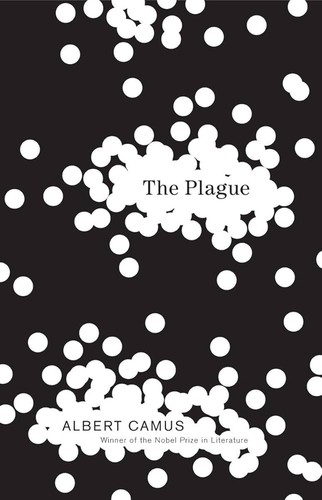
This one isn’t strictly on brand for me but I’m putting it here anyway because the shape of it, a sealed off town facing something it can’t fight and mostly can’t understand, scratches the same itch as my usual reading even though there’s not a spaceship in sight. Oran gets gated off once the bubonic plague takes hold and Camus follows a handful of residents through the whole arc of it, Dr. Rieux working himself past exhaustion, Tarrou keeping his strange careful notebook, Rambert spending the first half of the book scheming to get himself smuggled out and past the halfway point choosing to stay and help instead.
What actually got me, more than the plague mechanics themselves, is Tarrou’s long confession scene near the end, where he lays out his whole theory that everyone is carrying some version of the plague inside them already, that being a decent person just means staying vigilant against your own capacity for cruelty. It’s the kind of passage I read three times in a row. And I appreciated, genuinely, that nobody in this book gets a miracle serum, the disease just runs its course and eventually recedes on its own timeline, which feels truer than almost every fictional epidemic I’ve read since.
I’ll admit some of the middle section drags, the bureaucratic back and forth about whether to even acknowledge the scale of the outbreak, and I’ve seen a sharper criticism I can’t unsee now, that the actual population of French Algeria barely appears in a book set entirely inside a French colonial town, which does color how you read Camus’s version of “everyone suffers equally” once you notice who’s missing from the page. Still, this holds up as one of the most quietly devastating things I’ve read about how people behave under sustained fear, and Rieux and Tarrou’s friendship is doing more emotional work than most novels manage with twice the space. Five stars, and yes, I know it’s a WWII allegory, and no, that doesn’t make it feel dated.